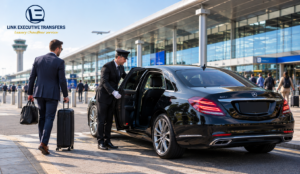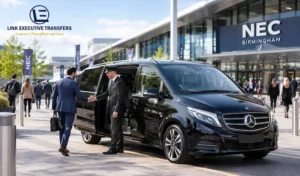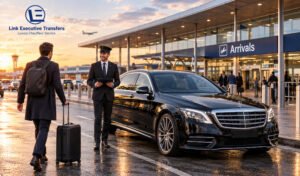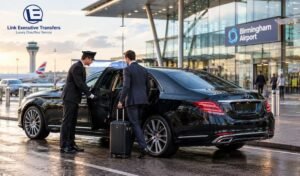
Many assume luxury transportation and sustainability cannot coexist, yet modern technology proves otherwise. Affluent clients in Birmingham and the West Midlands can now access luxury chauffeur services in Birmingham that slash emissions by up to 60% without sacrificing comfort or prestige. This guide explores how electric, hybrid, and hydrogen vehicles combine with operational best practices to deliver genuinely sustainable luxury transport for corporate events, airport transfers, and special occasions throughout the region.
Travel in Comfort. Arrive in Style.
Experience professional executive transportation tailored to your schedule.
Request Your Quote Today →
📞 +44 121 23 83 831
Table of Contents
- Introduction To Sustainable Luxury Transportation
- Luxury Vehicle Technologies Driving Sustainability
- Operational Practices Enhancing Sustainability In Luxury Transport
- Common Misconceptions About Sustainable Luxury Transportation
- Benefits And Trade-Offs Of Choosing Sustainable Luxury Transport
- Regional Context: Birmingham And The West Midlands
- Practical Framework For Selecting Sustainable Luxury Transportation Services
- Explore Sustainable Luxury Chauffeur Services With Link Executive Transfers
- Frequently Asked Questions About Sustainable Luxury Transportation
Key takeaways
| Point | Details |
|---|---|
| Emissions reduction potential | Advanced luxury vehicles can reduce carbon emissions by up to 60% compared to traditional petrol models. |
| Technology options | Electric, hybrid, and hydrogen fuel cell vehicles each offer distinct sustainability benefits with varying infrastructure requirements. |
| Operational amplification | Carbon offsetting programs and eco-driving techniques enhance vehicle-level sustainability gains. |
| Cost-benefit balance | Upfront premiums are offset by operational savings and growing client demand for green luxury services. |
| Birmingham infrastructure | West Midlands charging networks and government initiatives increasingly support sustainable luxury transport adoption. |
Introduction to sustainable luxury transportation
Sustainable luxury transportation merges high-end travel experiences with eco-friendly technologies and operational practices. Rather than choosing between prestige and environmental responsibility, clients can now enjoy both simultaneously. The concept addresses growing demand among affluent and corporate clients for eco-friendly luxury transportation in Birmingham and West Midlands who want to align personal values with purchasing decisions.
Travel in Comfort. Arrive in Style.
Experience professional executive transportation tailored to your schedule.
Request Your Quote Today →
📞 +44 121 23 83 831
This market shift reflects broader societal awareness of climate impact. Corporate clients increasingly factor sustainability into procurement decisions, whilst affluent individuals seek services reflecting their environmental commitments. Birmingham and the West Midlands present ideal conditions for this evolution, with expanding infrastructure and strong local demand.
Key characteristics define sustainable luxury transport:
- Integration of electric, hybrid, or hydrogen fuel cell vehicles in service fleets
- Implementation of carbon offsetting programs compensating for residual emissions
- Adoption of eco-driving techniques reducing fuel consumption
- Transparent reporting of environmental impact and sustainability metrics
- Maintenance of premium service standards including comfort, punctuality, and discretion
The balance between luxury and sustainability creates competitive advantages. Providers offering genuine green alternatives attract environmentally conscious clients whilst maintaining the high service standards expected in executive transport.
Luxury vehicle technologies driving sustainability
Three primary technologies enable sustainable luxury transportation, each with distinct characteristics.
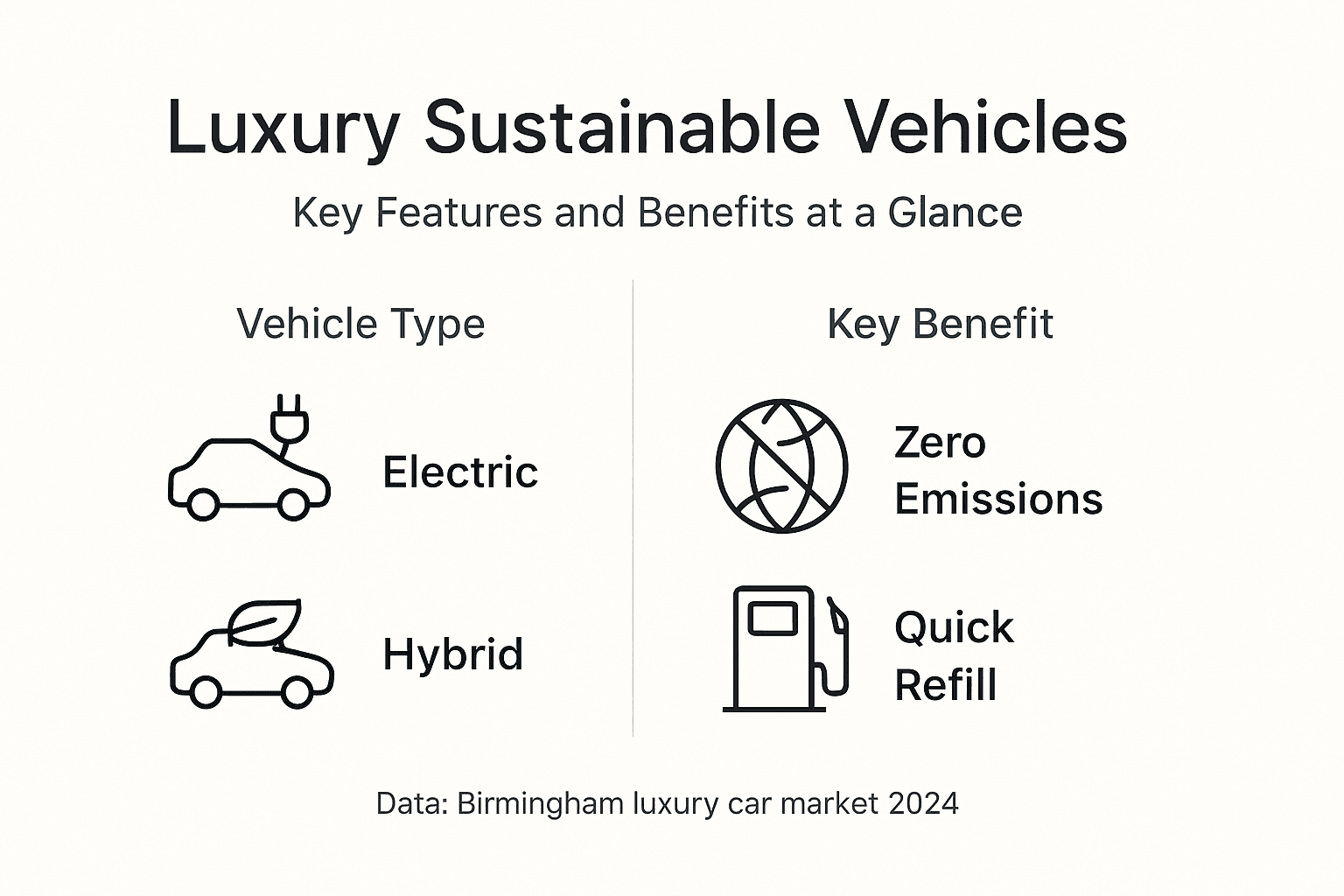
Electric vehicles produce zero tailpipe emissions and deliver instant torque for impressive acceleration. Models like the Mercedes EQS and BMW iX showcase how electric luxury vehicles can reduce lifetime carbon emissions by up to 60% compared to petrol luxury cars. However, they require robust charging infrastructure and careful route planning for longer journeys.
Hybrid vehicles combine petrol engines with electric motors, reducing emissions by 25 to 35% whilst offering extended range. These represent practical compromises for clients requiring flexibility across varied journey types. The Mercedes E-Class hybrid exemplifies this category, providing luxury amenities with improved environmental credentials.
Travel in Comfort. Arrive in Style.
Experience professional executive transportation tailored to your schedule.
Request Your Quote Today →
📞 +44 121 23 83 831
Hydrogen fuel cell vehicles emit only water vapour and refuel quickly like conventional cars. Though promising, limited refueling infrastructure currently restricts their practical deployment in the Birmingham region. As hydrogen networks expand, these vehicles may become increasingly viable.
| Vehicle Type | Emissions Reduction | Range | Refueling Time | Infrastructure Requirement |
|---|---|---|---|---|
| Electric | 50-60% | 250-400 miles | 30-60 minutes | High (charging stations) |
| Hybrid | 25-35% | 400-500 miles | 5 minutes | Low (petrol stations) |
| Hydrogen | 55-65% | 300-400 miles | 5 minutes | Very High (H2 stations) |
Performance metrics matter to luxury clients. The Mercedes EQS accelerates from 0 to 60 mph in 4.1 seconds whilst maintaining whisper-quiet operation. These capabilities demonstrate that sustainability need not compromise the driving experience.
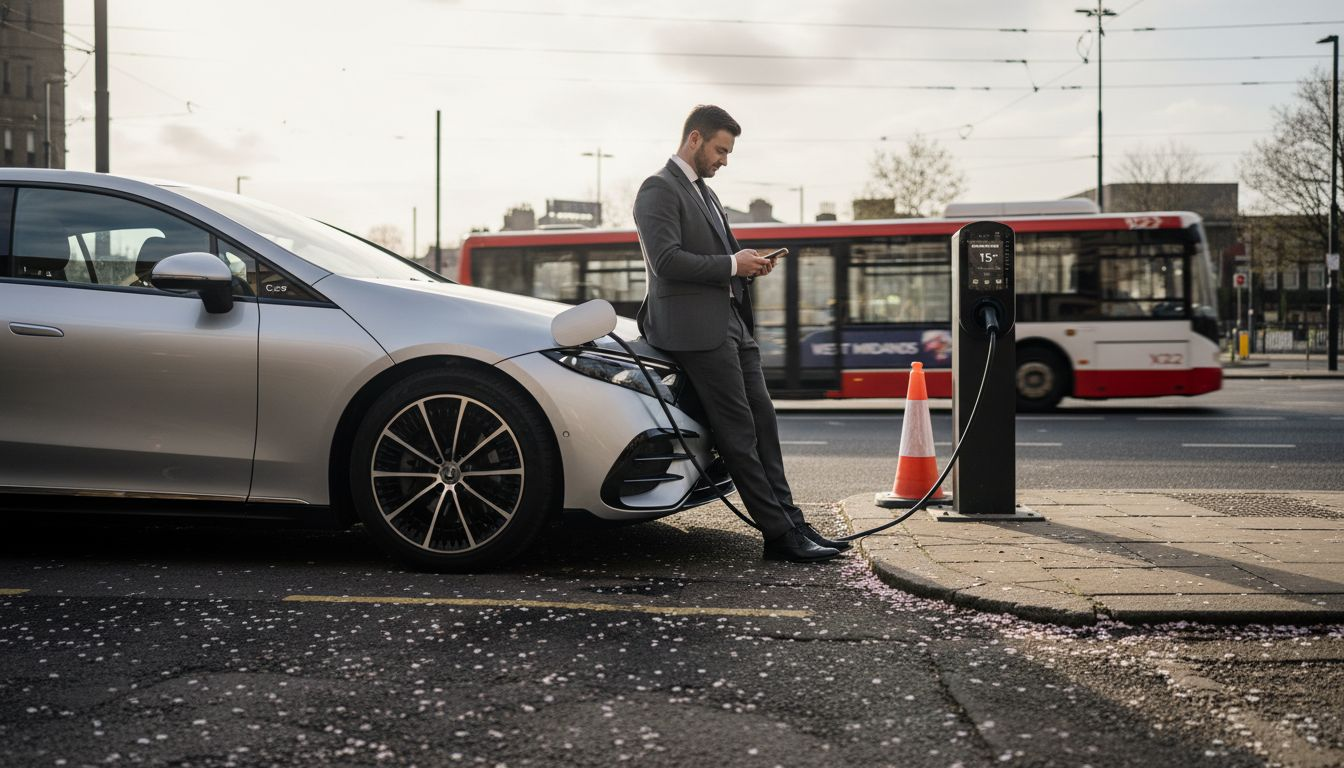
Pro Tip: Research charging station locations along your regular routes before booking electric vehicle services to ensure seamless journeys without range anxiety.
Explore examples of luxury electric and hybrid vehicles to understand available options and their respective capabilities.
Travel in Comfort. Arrive in Style.
Experience professional executive transportation tailored to your schedule.
Request Your Quote Today →
📞 +44 121 23 83 831
Operational practices enhancing sustainability in luxury transport
Vehicle technology alone does not achieve maximum sustainability. Operational practices amplify environmental benefits whilst maintaining service quality.
Carbon offsetting programs compensate for unavoidable emissions by funding renewable energy projects, reforestation initiatives, or methane capture schemes. Reputable providers purchase verified carbon credits through recognized standards, ensuring genuine environmental benefit rather than greenwashing.
Eco-driving techniques reduce fuel consumption by 10 to 15%. Trained chauffeurs anticipate traffic flow, maintain steady speeds, minimize harsh acceleration, and optimize route selection. These practices enhance passenger comfort whilst cutting emissions and operational costs.
ISO 14001 certification demonstrates commitment to environmental management systems. This internationally recognized standard requires documented policies, regular audits, and continuous improvement. Providers holding such certifications offer greater assurance of genuine sustainability commitment.
Transparency builds client trust. Leading providers publish sustainability reports detailing fleet composition, emissions data, offsetting activities, and improvement targets. This openness allows clients to verify environmental claims and make informed choices.
Best practices include:
- Regular vehicle maintenance maximizing fuel efficiency
- Route optimization software reducing unnecessary mileage
- Driver training programs emphasizing eco-friendly techniques
- Partnership with certified carbon offset providers
- Annual sustainability audits by independent assessors
Pro Tip: When choosing sustainable luxury providers, request copies of their sustainability certifications and ask specific questions about offset programs and eco-driving policies to verify genuine commitment.
Common misconceptions about sustainable luxury transportation
Several myths prevent wider adoption of sustainable luxury transport. Addressing these misunderstandings helps clients make confident decisions.
Myth: Luxury transport inherently produces excessive emissions and cannot be environmentally responsible. Fact: Modern electric and hybrid luxury vehicles achieve up to 60% emissions reduction through advanced powertrains and battery technology, proving luxury and sustainability can coexist.
Myth: Eco-friendly luxury vehicles sacrifice performance, comfort, or prestige. Fact: Contemporary electric luxury models often outperform petrol equivalents in acceleration whilst delivering superior cabin quietness. Interior appointments match or exceed traditional luxury standards.
Myth: Sustainable luxury transportation costs prohibitively more than conventional options. Fact: Research shows the majority of affluent UK travellers willingly pay modest premiums for sustainable services. Additionally, operational savings from reduced fuel costs and tax incentives offset initial price differences.
Myth: Sustainability marketing lacks credibility and represents greenwashing. Fact: Reputable providers hold verifiable certifications like ISO 14001, publish transparent emissions data, and use independently verified carbon offset programs. These credentials distinguish genuine commitment from marketing rhetoric.
As one industry expert notes:
The transformation of luxury mobility proves that environmental responsibility enhances rather than diminishes the premium experience. Clients increasingly recognize that true luxury includes caring for the world we inhabit.
Understanding these realities empowers clients to embrace sustainable options confidently.
Benefits and trade-offs of choosing sustainable luxury transport
Balanced decision-making requires understanding both advantages and compromises.
Environmental benefits prove substantial. Electric luxury vehicles eliminate tailpipe emissions entirely in urban areas, improving local air quality. Over their lifecycle, they reduce carbon footprint by 50 to 60% compared to petrol equivalents, even accounting for electricity generation. This impact multiplies across entire fleets serving numerous clients.
Branding advantages matter to corporate clients. Demonstrating sustainability commitment through transport choices enhances corporate social responsibility credentials, attracts environmentally conscious customers, and improves employee satisfaction. These intangible benefits often justify modest cost premiums.
Cost considerations present nuanced pictures. Initial booking rates for electric or hybrid services may exceed conventional options by 5 to 15%. However, businesses can claim enhanced tax benefits, whilst operational savings accrue to providers who may pass portions to clients through competitive pricing. Long-term value often favours sustainable choices.
Travel in Comfort. Arrive in Style.
Experience professional executive transportation tailored to your schedule.
Request Your Quote Today →
📞 +44 121 23 83 831
Operational trade-offs require acknowledgment. Electric vehicles necessitate charging time, potentially limiting availability for consecutive bookings. Range constraints affect journey planning, particularly for longer trips. Hydrogen infrastructure remains sparse, restricting deployment options.
Client experience considerations include:
- Service consistency depends on provider fleet diversity and charging infrastructure access
- Advance booking may be advisable for peak periods when sustainable vehicle availability tightens
- Journey flexibility could decrease slightly due to range planning requirements
- Novel technologies may require brief client education on features and capabilities
- Premium pricing reflects investment in sustainable fleet development
| Aspect | Electric | Hybrid | Hydrogen |
|---|---|---|---|
| Emissions | Zero tailpipe | 25-35% reduction | Near-zero |
| Range | 250-400 miles | 400-500 miles | 300-400 miles |
| Refueling | 30-60 minutes | 5 minutes | 5 minutes |
| Cost premium | 10-15% | 5-10% | 15-20% |
| Infrastructure | Good (Birmingham) | Excellent | Very limited |
Most clients find trade-offs minimal when providers manage logistics professionally.
Regional context: Birmingham and the West Midlands
Birmingham’s infrastructure and initiatives shape sustainable luxury transport feasibility.
Charging infrastructure has expanded significantly across the West Midlands. Public charging points now number in the hundreds throughout Birmingham city centre, major suburbs, and key transport corridors. Rapid charging stations along motorway networks enable longer journeys without range anxiety. This growth supports electric luxury vehicle deployment for chauffeur services.
Local government sustainability programs actively promote green transport adoption. The West Midlands Combined Authority has committed to carbon neutrality targets, offering grants for electric vehicle infrastructure and incentivizing low-emission transport services. These initiatives create favourable conditions for sustainable luxury providers.
Market availability continues improving. Several Birmingham-based luxury chauffeur companies now include electric and hybrid models in their fleets, responding to client demand. The Mercedes EQS, BMW iX, and hybrid E-Class feature prominently, offering genuine sustainable luxury options.
Regional challenges remain:
- Coverage gaps exist in rural West Midlands areas with sparse charging infrastructure
- Cold weather reduces electric vehicle range, requiring careful winter journey planning
- Early adoption costs burden smaller providers, potentially limiting competition
- Client awareness varies, with some affluent customers still unfamiliar with sustainable luxury options
Affluent Birmingham clients increasingly prioritize sustainability. Corporate procurement policies reflect environmental commitments, whilst individual clients align personal values with service choices. This demand drives continued market development and infrastructure investment throughout the region.
Practical framework for selecting sustainable luxury transportation services
Apply these criteria to identify genuinely sustainable luxury providers.
Fleet composition reveals commitment. Examine what percentage of vehicles use electric, hybrid, or other low-emission technologies. Providers featuring 30% or more sustainable vehicles demonstrate serious investment. Ask about specific models and their environmental specifications.
Sustainability certifications provide independent verification. ISO 14001 environmental management certification indicates systematic approaches to reducing impact. Carbon neutral certifications from recognized bodies like Climate Neutral or Gold Standard confirm credible offsetting programs.
Operational practices distinguish leaders. Query providers about eco-driving training programs, carbon offset partnerships, and emission monitoring systems. Companies measuring and reporting their environmental impact typically outperform those making vague claims.
Transparency builds confidence. Reputable providers willingly share sustainability reports, emissions data, and offset documentation. Reluctance to provide specifics often signals greenwashing rather than genuine commitment.
Service quality balance remains essential:
- Verify sustainable options maintain equivalent luxury standards in vehicle condition and amenities
- Confirm chauffeur professionalism and discretion match premium service expectations
- Check availability during your required timeframes, particularly for electric vehicles
- Read client reviews specifically mentioning sustainable service experiences
- Assess pricing competitiveness relative to conventional luxury options
Pro Tip: Request detailed sustainability reports and proof of carbon offset purchases from potential providers. Legitimate companies provide this documentation readily, whilst vague responses suggest marketing rather than substance.
Learn more about how to choose executive car service providers meeting both luxury and sustainability standards.
Explore sustainable luxury chauffeur services with link executive transfers
Link Executive Transfers combines Birmingham’s finest chauffeur service with genuine sustainability commitment. Our fleet features the latest electric and hybrid Mercedes-Benz luxury vehicles, delivering the prestige and comfort you expect with significantly reduced environmental impact.
We implement comprehensive eco-driving training, participate in verified carbon offset programs, and maintain transparent reporting of our environmental performance. Whether you require airport transfers, corporate travel, or special event transportation, our sustainable luxury options ensure your journey aligns with your values without compromising on quality.
Experience the difference of professional luxury chauffeur service in Birmingham that prioritizes both excellence and environmental responsibility. Explore our sustainable luxury vehicle fleet and discover benefits of chauffeur service that extend beyond convenience to meaningful environmental contribution.
Frequently asked questions about sustainable luxury transportation
What vehicles are considered sustainable in luxury transport?
Sustainable luxury vehicles include battery electric models like the Mercedes EQS producing zero tailpipe emissions, hybrid vehicles such as the E-Class combining petrol and electric power for 25 to 35% emission reductions, and emerging hydrogen fuel cell vehicles emitting only water vapour. All maintain premium interior appointments, performance capabilities, and the prestige expected in executive transport.
How does carbon offsetting work in luxury chauffeur services?
Carbon offsetting involves calculating residual emissions from vehicle operations, then purchasing verified carbon credits funding projects that reduce atmospheric CO2 by equivalent amounts. Reputable providers use Gold Standard or Verified Carbon Standard credits supporting renewable energy installations, reforestation programs, or methane capture initiatives. This compensates for emissions that current technology cannot eliminate.
Are electric luxury vehicles suitable for long-distance executive travel?
Modern electric luxury vehicles offer 250 to 400 miles per charge, sufficient for most regional journeys including Birmingham to London routes. Rapid charging stations along major motorways enable 30-minute top-ups during refreshment breaks. For journeys exceeding 300 miles, hybrid vehicles provide extended range whilst maintaining substantial emission reductions.
What certifications should I look for in a sustainable transport provider?
ISO 14001 environmental management certification demonstrates systematic sustainability approaches with regular independent audits. Carbon neutral certifications from Climate Neutral, Gold Standard, or similar bodies verify credible offset programs. Additionally, membership in sustainable transport associations and published annual sustainability reports indicate genuine commitment versus marketing claims.
Is sustainable luxury transportation significantly more expensive?
Sustainable luxury services typically cost 5 to 15% more than conventional options, reflecting investment in advanced vehicle technology and offset programs. However, corporate clients often access tax benefits, whilst the intangible value of environmental responsibility increasingly justifies modest premiums. Many affluent clients report willingness to pay extra for services aligning with personal values.
Travel in Comfort. Arrive in Style.
Experience professional executive transportation tailored to your schedule.
Request Your Quote Today →
📞 +44 121 23 83 831
What infrastructure challenges affect sustainable luxury transport in Birmingham?
Birmingham city centre and major corridors feature extensive charging infrastructure supporting electric vehicle operations. However, rural West Midlands areas show coverage gaps, whilst hydrogen refueling stations remain extremely limited. Cold weather reduces electric vehicle range by 10 to 20%, requiring careful journey planning during winter months. Despite these challenges, infrastructure continues improving rapidly across the region.