
Rushing to catch a flight or ensuring top executives arrive at a crucial London meeting can feel stressful when every detail of transportation counts. For Birmingham professionals, the right luxury car service is more than just a ride—it safeguards your reputation, comfort, and schedule. By focusing on safety, punctuality, and premium service, you protect your business image and keep high-profile journeys seamless from start to finish.
The Pinnacle of Travel: Discovering Birmingham’s Best Luxury Chauffeur Services
Imagine stepping out of your flight at Birmingham Airport, weary from travel, only to be greeted by a professional chauffeur holding a personalized sign. Instead of navigating crowded taxi ranks or deciphering public transport maps, you’re whisked away in a pristine, high-end vehicle, ready to whisk you to your destination in unparalleled comfort and style. This isn’t a scene from a blockbuster film; it’s the reality offered by Birmingham’s premier luxury chauffeur services. But with so many options, how do you pinpoint the absolute best? This guide will illuminate the path to an effortless, sophisticated travel experience.
Why Choose a Luxury Chauffeur in Birmingham?
Opting for a luxury chauffeur service in Birmingham transcends mere transportation; it’s an investment in a seamless, stress-free, and exceptionally comfortable journey. The benefits extend far beyond simply getting from A to B.
Travel in Comfort. Arrive in Style.
Experience professional executive transportation tailored to your schedule.
Request Your Quote Today →
📞 +44 121 23 83 831
The Unmatched Comfort and Style
Luxury chauffeur services provide access to a fleet of meticulously maintained, high-specification vehicles. Think plush leather interiors, ample legroom, climate control, and often, sophisticated entertainment systems. These aren’t your average cars; they are mobile sanctuaries designed for relaxation and productivity. The quiet hum of a premium engine and the smooth ride insulate you from the city’s bustle, allowing you to arrive at your destination feeling refreshed, not frazzled. It’s about experiencing the journey as much as the destination itself.
The Professionalism and Discretion of Chauffeurs
The chauffeurs themselves are the cornerstone of this premium experience. They are more than just drivers; they are highly trained professionals, often with extensive knowledge of the local area. Punctuality is paramount, and their polished demeanour ensures a courteous and respectful service. Discretion is also a key attribute, particularly important for business travellers or those seeking privacy. You can trust them to handle your journey with the utmost professionalism and confidentiality.
Efficiency and Time Management
Navigating Birmingham’s roads, especially during peak hours, can be a challenge. A professional chauffeur, armed with real-time traffic data and expert local knowledge, can expertly navigate the quickest and most efficient routes. This means less time spent in transit and more time for what matters – whether it’s closing a crucial business deal, enjoying a pre-theatre dinner, or simply relaxing before your next engagement. They understand the value of your time.
Making a Statement
For special occasions, corporate events, or important client meetings, arriving in a luxury chauffeur-driven vehicle makes a powerful statement. It signifies attention to detail, an appreciation for quality, and a commitment to excellence. Whether it’s a wedding, an anniversary, or a VIP airport transfer, the right vehicle and professional service elevate the entire experience, leaving a lasting positive impression.
Who This Is For
This guide is meticulously crafted for discerning individuals and organisations who value quality, comfort, and efficiency in their transportation.
- Business Professionals: Executives, entrepreneurs, and corporate teams who require reliable, punctual, and discreet transport for meetings, airport transfers, client entertainment, and corporate events. Time is money, and a luxury chauffeur maximizes both.
- Tourists Seeking Premium Experiences: Visitors to Birmingham who wish to explore the city and its surroundings in ultimate comfort and style, perhaps for a special occasion or simply to indulge in a higher calibre of travel.
- Event Attendees: Individuals attending weddings, proms, theatre shows, sporting events, or concerts who want to arrive in sophistication and avoid the hassle of parking or designated transport.
- Anyone Prioritising Comfort and Convenience: Individuals who simply prefer a more relaxed, luxurious, and hassle-free travel experience over standard taxi or ride-sharing services.
- Those Requiring Airport Transfers: Travellers flying into or out of Birmingham Airport (BHX) who seek a seamless, stress-free connection to their final destination or onward journey.
Who This Is NOT For
While luxury chauffeur services offer unparalleled benefits, they may not be the ideal choice for everyone.
- Budget-Conscious Travellers: Individuals whose primary concern is minimizing travel costs will find traditional public transport or standard taxi services more suitable.
- Those Needing Immediate, Spontaneous Transport: While many services offer on-demand options, pre-booking is often recommended for luxury services to ensure vehicle and chauffeur availability, especially during peak times.
- Individuals Unconcerned with Vehicle Prestige: If the make and model of the car, or the level of service, are not significant factors in your travel, a standard taxi might suffice.
- Short, Local Trips Where Convenience Outweighs Luxury: For very short distances within a familiar neighbourhood, the added expense of a luxury chauffeur might not be justified for some.
Key Factors in Selecting Birmingham’s Best Luxury Chauffeur Service
Identifying the “best” is subjective, but several objective criteria consistently distinguish top-tier chauffeur providers in Birmingham.
Travel in Comfort. Arrive in Style.
Experience professional executive transportation tailored to your schedule.
Request Your Quote Today →
📞 +44 121 23 83 831
Vehicle Fleet Quality and Variety
The calibre of the vehicles is paramount. Look for services that offer a diverse range of premium marques such as Mercedes-Benz (S-Class, E-Class, V-Class), BMW (7 Series), Audi (A8), and potentially more exclusive options like Range Rovers or Rolls-Royces for ultimate indulgence. A well-maintained, immaculately clean fleet is non-negotiable. The ability to choose a vehicle that suits the specific occasion (e.g., a spacious MPV for a group, a sleek saloon for a solo executive) is also a significant advantage.
Chauffeur Professionalism and Training
Beyond a clean driving record, the best chauffeurs possess exceptional interpersonal skills, are impeccably presented, and understand the nuances of VIP service. They should be knowledgeable about Birmingham, adept at route planning, and capable of anticipating passenger needs. Background checks and rigorous training in customer service and safety protocols are hallmarks of reputable companies.
Service Reliability and Punctuality
In the realm of luxury transport, punctuality is not just a courtesy; it’s a fundamental requirement. The best services have robust systems for tracking flights, monitoring traffic, and dispatching chauffeurs to ensure timely arrivals and departures. Read reviews focusing on reliability and on-time performance.
Customisation and Flexibility
The ability to tailor the service to your specific needs is a mark of true luxury. This could include specific vehicle amenities (e.g., Wi-Fi, specific beverages), route preferences, or accommodating last-minute changes. A flexible approach demonstrates a commitment to client satisfaction.
Pricing Transparency and Value
While luxury comes at a premium, the pricing should be clear and competitive within the luxury segment. Understand what is included in the rate – waiting time, mileage, tolls, taxes. Avoid services with hidden fees. The “best” service offers excellent value for the high-quality experience provided.
Reputation and Reviews
Online reviews, testimonials, and industry awards can offer valuable insights into a company’s performance and customer satisfaction. Look for consistent praise regarding professionalism, vehicle quality, and overall experience.
Top Contenders for Birmingham’s Best Luxury Chauffeur Service
While definitive rankings are difficult due to evolving services and individual preferences, several providers consistently receive high acclaim in Birmingham. Based on industry reputation, client feedback, and breadth of service, these are strong candidates.
Travel in Comfort. Arrive in Style.
Experience professional executive transportation tailored to your schedule.
Request Your Quote Today →
📞 +44 121 23 83 831
Executive Transfers Birmingham
This provider consistently garners praise for its commitment to executive-level service. Their fleet typically includes high-end Mercedes-Benz saloons and MPVs, perfect for business travellers and small groups. Their chauffeurs are known for their professionalism and discretion. They offer comprehensive airport transfer solutions, ensuring a smooth transition for business and leisure travellers alike. Their focus on reliability and customer care makes them a standout option for those needing dependable transport throughout Birmingham and the wider West Midlands. Their understanding of corporate needs, from client meetings to team events, is a significant asset. You can explore their offerings further at Executive Transfers Birmingham.
Black Diamond Chauffeur Services
Often cited for their luxurious vehicle selection and impeccable service standards, Black Diamond is a strong contender. They typically boast a range of premium vehicles, including luxury saloons and SUVs, suitable for various needs. Their chauffeurs are frequently highlighted for their courteousness and deep knowledge of the region. They cater to a wide array of events, from weddings to corporate roadshows, emphasizing a personalized and elegant travel experience.
Platinum Cars Birmingham
As the name suggests, Platinum Cars aims for a top-tier experience. They are known for their modern fleet and a strong emphasis on customer satisfaction. Reviews often point to their punctuality and the high standard of their vehicles. They provide services ranging from airport transfers to special occasion transportation, positioning themselves as a versatile luxury option within the city.
###chauffeur.com (Birmingham Branch)
This established name in the chauffeur industry often provides a reliable and professional service across multiple locations, including Birmingham. They typically offer a good selection of luxury vehicles and focus on delivering a consistent, high-quality experience, particularly beneficial for corporate clients who may use their services in different cities. Their online booking platform can also be a convenient feature.
Travel in Comfort. Arrive in Style.
Experience professional executive transportation tailored to your schedule.
Request Your Quote Today →
📞 +44 121 23 83 831
The Journey of a Luxury Chauffeur Booking
Booking a luxury chauffeur in Birmingham is typically a straightforward process, designed for ease and efficiency.
Step 1: Research and Selection
Utilise online reviews, recommendations, and the information in this guide to identify potential service providers. Consider your specific needs – Is it a crucial business meeting? A romantic anniversary dinner? A large group needing transport? This will influence your vehicle choice and service requirements. Visiting the websites of companies like Executive Transfers Birmingham can provide a good overview of their fleet and services.
Step 2: Inquiry and Quotation
Contact your shortlisted providers. Be prepared to provide details such as:
- Date and time of travel
- Pick-up and drop-off locations
- Number of passengers
- Type of vehicle preferred (if known)
- Any special requirements (e.g., child seats, specific refreshments)
Reputable services will offer transparent quotes, outlining what is included.
Step 3: Confirmation and Details
Once you’ve chosen a service, confirm your booking. You’ll typically receive a confirmation email or booking reference. Ensure you have the chauffeur’s contact number and the company’s emergency contact details. Double-check the pick-up time and location.
Step 4: The Experience
On the day of your journey, your chauffeur will arrive punctually, often a few minutes early. They will greet you professionally, assist with luggage, and ensure your comfort throughout the ride. Relax, enjoy the journey, and let them handle the driving.
Making the Most of Your Chauffeur Experience
To elevate your journey from merely comfortable to truly exceptional, consider these tips.
Communicate Your Needs Clearly
Don’t hesitate to inform your chauffeur or the booking company of any preferences. This could range from preferred routes, desired temperature settings, or even a request for a quiet journey to prepare for a meeting.
Prepare for Your Journey
If you need to work, ensure your laptop and necessary documents are easily accessible. If it’s a social outing, perhaps have your phone charged and ready. Knowing your itinerary will also help the chauffeur optimise the route.
Embrace the Downtime
A chauffeur-driven car offers a unique opportunity for productive downtime or simple relaxation. Use the time to catch up on emails, make calls (if appropriate), read, or simply enjoy the scenery and the smooth ride, free from the stresses of driving.
Provide Feedback
After your journey, consider leaving a review or providing feedback to the company. This helps them maintain their high standards and assists future clients in making informed choices.
Mistakes to Avoid
Even with the best intentions, travellers can sometimes make missteps when booking or utilising luxury chauffeur services.
- Booking Last Minute for Peak Times: While some services offer on-demand options, booking essential journeys, especially during major events or holidays, well in advance is crucial to secure your preferred vehicle and ensure availability.
- Not Clarifying Inclusions: Assuming all costs are covered can lead to surprise charges. Always clarify what’s included in the quoted price, such as waiting times, tolls, and potential surcharges for unsociable hours.
- Failing to Provide Accurate Details: Inaccurate flight numbers, incorrect pick-up addresses, or an underestimated number of passengers can cause delays and frustration. Double-check all information before confirming.
- Overlooking Reviews: Relying solely on a company’s marketing without checking independent reviews can mean missing potential red flags regarding reliability or service quality.
- Not Considering the Vehicle Type: Choosing a standard saloon for a group of five will lead to discomfort. Match the vehicle size and type to the number of passengers and their luggage requirements.
Frequently Asked Questions (FAQs)
What is the typical cost of a luxury chauffeur service in Birmingham?
The cost varies significantly based on the vehicle class, duration of hire, distance, and time of day. A short airport transfer in a standard executive saloon might start from around £70-£100, while an hourly rate for a premium vehicle for events could range from £75-£150+. For longer distances or full-day hire, expect higher rates. It’s always best to get a precise quote from the provider.
Travel in Comfort. Arrive in Style.
Experience professional executive transportation tailored to your schedule.
Request Your Quote Today →
📞 +44 121 23 83 831
How far in advance should I book a luxury chauffeur?
For standard airport transfers or business meetings, booking at least 24-48 hours in advance is recommended. However, for special occasions like weddings, major sporting events, or during peak holiday seasons, booking several weeks or even months ahead is strongly advised to guarantee availability.
Can I request a specific chauffeur if I’ve had a good experience before?
Some companies, particularly smaller, more personalized services, may accommodate such requests if the chauffeur is available. Larger operations might have systems that make this more challenging, but it’s always worth asking when you make your booking. Mentioning a positive past experience can help.
Are luxury chauffeur services available 24/7 in Birmingham?
Many premier chauffeur services operate 24 hours a day, 7 days a week, especially those catering to airport transfers and corporate clients. However, operating hours can differ, particularly for smaller companies or during public holidays. It’s essential to confirm the service availability for your specific travel times.
What happens if my flight is delayed?
Reputable chauffeur services monitor flight arrivals. They will adjust the pick-up time accordingly, often including a grace period for baggage claim and customs. Communicate your flight number during booking, and they will track its progress. You usually won’t incur extra charges for standard flight delays, but always clarify the company’s policy on waiting times.
Conclusion: Elevate Your Birmingham Travel
Choosing the best luxury chauffeur service in Birmingham is about more than just transportation; it’s about curating an experience. It’s the quiet confidence of arriving on time, the serene comfort of a premium cabin, and the effortless style that accompanies truly professional service. Whether you’re a business leader sealing a deal, a couple celebrating a milestone, or a visitor exploring the vibrant heart of the West Midlands, investing in a top-tier chauffeur transforms your journey. By considering factors like fleet quality, chauffeur professionalism, and service reliability, and by avoiding common pitfalls, you can ensure your travel is as smooth, sophisticated, and memorable as your destination. For those seeking unparalleled service and a touch of class for their travels within Birmingham and beyond, exploring options like Executive Transfers Birmingham provides a clear pathway to an elevated travel experience.
Table of Contents
- Step 1: Assess Your Transportation Requirements
- Step 2: Research Reputable Executive Car Providers
- Step 3: Compare Vehicle Options And Amenities
- Step 4: Evaluate Chauffeur Professionalism And Credentials
- Step 5: Verify Reviews And Confirm Booking Details
Quick Summary
| Key Insight | Explanation |
|---|---|
| 1. Assess Transportation Needs | Clearly define trip types, frequency, and personnel to avoid unnecessary costs and ensure appropriate service levels. |
| 2. Research Quality Providers | Choose car services based on experience, operational consistency, and understanding of executive travel needs to ensure professionalism. |
| 3. Compare Vehicle Options | Select vehicles that match passenger requirements and business impressions, considering amenities that enhance productivity during travel. |
| 4. Verify Chauffeur Credentials | Ensure chauffeurs have the proper training and experience to represent your brand well, focusing on professionalism and confidentiality. |
| 5. Confirm Booking Details | Document all booking specifics such as pickup times and cancellation policies to prevent misunderstandings and ensure smooth travel. |
Step 1: Assess your transportation requirements
Before you book a single journey, understand what you actually need. Your business travel patterns, frequency, and the level of service required will shape everything that follows. This foundational step prevents wasting money on unnecessary upgrades or compromising on safety and professionalism.
Start by identifying the types of trips you’ll be taking. Are these regular airport transfers for weekly meetings in London? One-off executive visits to impress high-value clients? Multi-day events requiring seamless coordination? The answer determines whether you need flexible on-demand booking or a structured contract with a dedicated provider.
Next, consider who is travelling and what impression they need to make. A junior employee attending a training session has different requirements than a C-suite executive hosting an international client. The vehicle, professionalism of the chauffeur, and amenities matter differently depending on the business context.
Key factors to document:
- Frequency of trips (weekly, monthly, or occasional)
- Number of passengers per journey
- Distance and locations (local Birmingham routes or nationwide travel)
- Baggage requirements and special needs
- Client-facing versus internal travel
- Peak travel periods and advance notice capability
Understanding corporate travel guidelines and safety protocols helps you establish clear expectations. You’ll want to know which employees travel, approval processes, and budget constraints before approaching providers.
Budget is crucial, but frame it correctly. Rather than asking “What’s the cheapest option?”, ask “What value do I get per pound spent?” A premium service that arrives on time with a professional chauffeur protects your reputation far better than saving £50 on a questionable booking.
Your transportation strategy should balance cost control with the business impact of poor service. A delayed executive arrival or uncomfortable journey damages client relationships in ways that no savings can justify.
Consider also the broader decision-making landscape. Corporate travel studies show that safety, budget, client engagement value, and effectiveness matter equally when making transportation choices. You’re not just booking cars; you’re investing in how your organisation operates.
Pro tip: Document your requirements in writing before contacting providers. Include passenger counts, typical routes, frequency, and any special needs like Wi-Fi access or silent travel time. This clarity helps quotations come back accurate and comparable, saving hours of back-and-forth negotiation.
Step 2: Research reputable executive car providers
Not all car services are created equal. Your choice of provider directly impacts whether your executives arrive refreshed and professional or stressed and disorganised. This step separates providers who merely transport people from those who understand what executive travel truly demands.
Start by checking track records and certifications. Look for companies with proven experience serving corporate clients at your level. A provider might have impressive vehicles but lack the operational discipline required for consistent on-time arrivals. Reviews from other businesses matter more than marketing promises.
Verify they understand confidentiality and discretion. Senior executives need assurance that their travel patterns, conversations, and client meetings remain private. Reliable partners must demonstrate understanding of executive travel requirements, including the sensitive nature of high-level business journeys.
Examine their service consistency across locations. If you travel nationally or internationally, the provider should maintain quality standards everywhere. A single poor journey in Manchester undermines the entire relationship.
What to evaluate:
- Years of experience with executive and corporate clients
- Fleet quality and regular vehicle maintenance records
- Chauffeur training standards and background checks
- Ability to accommodate last-minute itinerary changes
- Technology for real-time tracking and communication
- Compliance with your corporate travel policies
Ask about their approach to complex itineraries. Successful providers tailor solutions aligned with corporate policies and adapt to international requirements, ensuring seamless coordination across multiple journeys.
Contact references directly. Ask previous corporate clients about responsiveness, professionalism, and how the provider handles unexpected situations. A provider’s reaction when something goes wrong reveals their character.
The best providers aren’t the flashiest—they’re the ones you never think about because everything simply works.
Request detailed quotes that show transparency. Pricing matters, but understanding what’s included protects you from hidden fees or service cuts later. A provider confident in their value will gladly explain their pricing structure.
Pro tip: Request a trial journey before committing to a larger contract. Book a single transfer to assess punctuality, vehicle condition, chauffeur professionalism, and communication. This low-risk test reveals whether the provider matches their promises, saving you from a poor long-term relationship.
Step 3: Compare vehicle options and amenities
The right vehicle transforms a journey into productive time, whilst the wrong one wastes hours and damages your professional image. Vehicle choice isn’t about picking the fanciest option—it’s about matching capability to your actual needs.
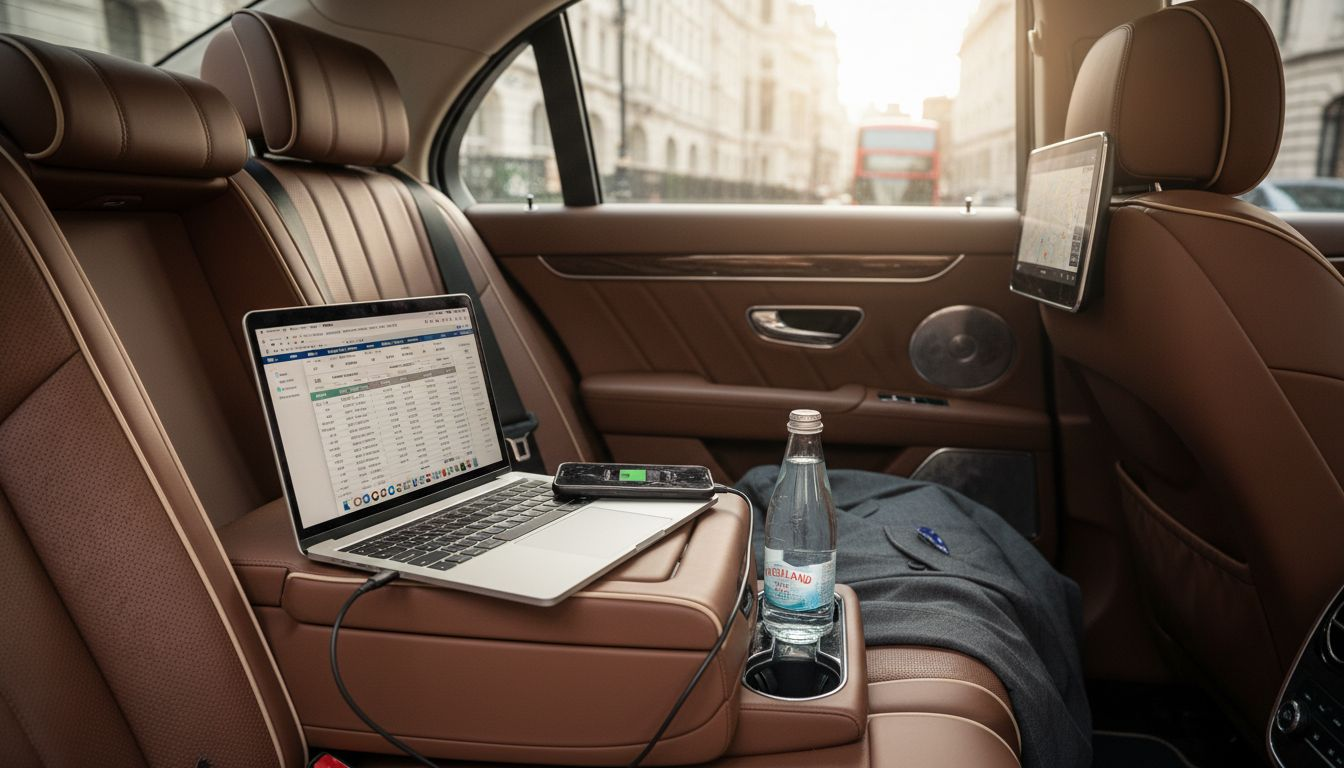
Start by considering passenger count and journey type. A solo executive heading to a client meeting needs something different from a team attending a conference. Capacity matters, but so does the atmosphere you want to create inside the vehicle.
Next, think about what your travellers actually do during journeys. Are they making phone calls, preparing presentations, or simply resting before important meetings? The answer determines which amenities matter most.
Vehicle types to compare:
- Luxury sedans for individual executives and client impressions
- Premium SUVs for groups requiring extra space and commanding presence
- Executive MPVs for teams needing workspace and privacy
- Standard saloons for cost-conscious internal travel
Vehicle choice depends on meeting professional standards and traveller comfort, balancing capacity with the impression you want to make.
Evaluate onboard amenities carefully. Mobile charging keeps devices powered. Wi-Fi enables work continuation. Climate control and seating comfort prevent arrival stress. Onboard technology and connectivity facilitate work on the go, particularly on demanding schedules where productivity doesn’t stop during transit.
Consider privacy features too. Some journeys require confidential conversations. Tinted windows, partition screens, and noise insulation aren’t luxuries—they’re operational necessities for sensitive business discussions.
Ask providers about maintenance standards and vehicle age. A five-year-old luxury vehicle in pristine condition beats a new one poorly maintained. Regular servicing, interior cleanliness, and mechanical reliability matter more than showroom appeal.
The best vehicle isn’t the most expensive—it’s the one that lets your executives focus on what matters whilst getting where they need to be safely and comfortably.
Request to see examples if possible. Examples of luxury vehicles for executives help you visualise different options. Some providers offer trial journeys in specific vehicles, letting you experience amenities firsthand before committing.
Pro tip: Match vehicle selection to your traveller hierarchy rather than booking premium options for everyone. Executive clients benefit from premium sedans or SUVs, whilst routine transfers use reliable standard vehicles. This tiered approach controls costs whilst maintaining appropriate service levels for high-profile journeys.
To help clarify which vehicle suits each business travel scenario, see this comparative overview:
| Vehicle Type | Best For | Business Impression | Key Amenities |
|---|---|---|---|
| Luxury sedan | Solo executives, client meetings | Sophisticated and discrete | Leather seats, Wi-Fi |
| Premium SUV | Small groups, prestige transfers | Commanding, robust presence | Extra luggage space, USB |
| Executive MPV | Team travel, mobile workspace | Collaborative, professional | Private seating, charging |
| Standard saloon | Routine, internal journeys | Efficient and cost-effective | Basic comfort, reliability |
Step 4: Evaluate chauffeur professionalism and credentials
A luxury vehicle means nothing if the person behind the wheel lacks professionalism or training. Your chauffeur represents your organisation to clients, investors, and partners. This evaluation step separates truly professional services from those cutting corners on staff.
Start by verifying credentials thoroughly. Ask for proof of valid driving licences, background checks, and any security clearances held. Don’t accept verbal assurances or generic promises—request documentation.
Inquire about training standards. How do providers ensure chauffeurs maintain professional appearance, communication skills, and discretion? Chauffeur professionalism encompasses appearance, communication, discretion, and security protocol knowledge, reflecting your company’s brand and safeguarding executive comfort.
Experience matters enormously. A chauffeur with five years driving business executives differs fundamentally from one with generic taxi experience. Ask specific questions about their background and previous corporate roles.
What to verify:
- Current, valid UK or relevant driving licence
- Enhanced Disclosure and Barring Service (DBS) checks
- Professional training certifications
- Years of executive transportation experience
- References from previous corporate clients
- Fluency in relevant languages if needed
Assess their ability to anticipate needs. Distinguishing top providers involves chauffeurs who anticipate executive needs and provide responsive, respectful service. Can they adjust routes based on traffic? Do they maintain confidentiality about executive movements and conversations?
Listen to how they discuss their work. Professional chauffeurs speak with pride about reliability, safety records, and client relationships. Those focused only on pay rates or minimal responsibilities raise red flags.
Request to speak with a chauffeur before booking. Their phone manner, clarity, and professionalism during initial contact indicate their overall standards. How do they respond to specific requests or concerns?
The chauffeur is often the first and last impression your executives have during a journey. Their professionalism either builds or damages your brand reputation.
Ask about ongoing development. Do chauffeurs receive regular training updates? How does the provider handle complaints or performance issues? Commitment to continuous improvement separates excellence from adequacy.
Pro tip: Request a trial journey with a specific chauffeur rather than whichever driver is available that day. This allows you to assess their specific approach to professionalism, discretion, and anticipating needs before committing to a business relationship.
Step 5: Verify reviews and confirm booking details
Before committing to any provider, verify their track record and nail down every detail of your booking. This final step protects you from surprises and ensures smooth execution when your executives actually travel.
Start by reading customer reviews strategically. Don’t just count stars—read what other businesses say about reliability, professionalism, and how problems were handled. A provider with perfect ratings and zero negative feedback is either new or hiding reviews.
Look for patterns in feedback. If multiple reviews mention late arrivals, that’s a systemic issue. If one complaint appears isolated, it’s likely handled professionally. Reviews from corporate clients matter more than feedback from casual users.
Where to find credible reviews:
- Google Business and industry directories
- LinkedIn recommendations from business contacts
- Direct references from the provider
- Better Business Bureau ratings
- Corporate travel forums and networks
Reading customer reviews and assessing reliability ratings helps verify provider quality before finalising your relationship. Cross-check references directly with previous corporate clients about their specific experiences.
Now confirm every booking detail in writing. Pickup time, location, vehicle type, passenger count, and drop-off destination must all be documented. Ambiguity creates problems when your executive is waiting curbside.
Verify the cancellation policy clearly. What happens if your executive’s meeting runs late or cancels entirely? Are there penalty charges? How much notice do they require? Get this in writing before booking.
Check service guarantees. What does the provider commit to? On-time arrival standards, vehicle condition expectations, and chauffeur professional standards should be explicit, not implied.
Review contract terms thoroughly. Detailed confirmation of booking information and attention to contract terms provides reassurance the provider will meet expectations and handle last-minute changes professionally.
Test their responsiveness before booking. Contact them with questions about your specific requirements. How quickly do they respond? Do they answer thoroughly or give vague replies? This indicates how they’ll handle real bookings.
A provider who communicates clearly during the sales process will communicate clearly during emergencies.
Request contact details for your dedicated account manager if available. During a crisis, you need someone who understands your account immediately, not a general helpline.
Confirm payment terms and invoicing procedures. How do they bill? Can they integrate with your expense management system? Will they provide itemised invoices for your finance team?
Pro tip: Before your first real booking, submit a test booking with all details filled in exactly as your team will submit future journeys. Observe their confirmation response, any clarifications needed, and how they handle a simple scenario. This reveals whether their systems match your operational needs.
This summary highlights how service quality impacts your organisation’s business outcomes:
| Service Aspect | Positive Business Impact | Negative Consequence |
|---|---|---|
| Reliable punctuality | Enhances executive reputation | Damages client trust |
| Comfort & amenities | Supports productivity and wellbeing | Causes stress, hinders work |
| Chauffeur conduct | Builds client confidence in your brand | Risks confidentiality breaches |
| Transparent booking | Prevents disputes and last-minute confusion | Leads to missed opportunities |
Elevate Your Corporate Travel with Expert Executive Car Services
Choosing the right executive car service for corporate travel demands attention to detail, reliability and professionalism. The article highlights the challenges of ensuring punctuality, discretion and comfort while controlling costs and meeting varying business needs. Key pain points include selecting a provider with well-maintained luxury vehicles, highly trained chauffeurs and a clear, transparent booking process. Your executives deserve more than just transportation—they need a seamless experience that supports productivity and reinforces your organisation’s reputation.
At Link Executive Transfers, we understand these exact requirements. Our premium fleet featuring Mercedes-Benz S-Class, E-Class and V-Class vehicles is meticulously maintained and driven by licensed chauffeurs committed to punctuality, safety and discretion. Whether you require airport transfers or multi-journey corporate travel coordination, our personalised service adapts to your specific needs. We invite you to explore how our expertise can transform everyday business travel into a representation of your brand’s excellence.
Experience first-hand why discerning companies across Birmingham and the West Midlands choose Link Executive Transfers for executive transportation. Book a trial journey today to test our chauffeur professionalism, vehicle quality and flawless communication. Ensure your next corporate trip speaks volumes about your standards. Visit our website now to secure premium service tailored to your business travel demands.
Frequently Asked Questions
How do I assess my transportation requirements for corporate travel?
Before selecting an executive car service, assess your business travel patterns, the frequency of trips, and the type of service required. Document factors like passenger count and specific needs to ensure providers can meet your expectations effectively.
What should I look for when researching executive car providers?
Focus on the provider’s track record, certifications, and reviews from other corporate clients. Evaluate their service consistency, ability to handle complex itineraries, and responsiveness to inquiries to ensure they meet your operational needs.
How can I compare vehicle options and amenities for business travel?
Consider the passenger count, journey type, and the amenities required for productive travel. Start by listing your specific needs, such as mobile charging and privacy features, to find vehicles that match your requirements.
What qualifications should I check for chauffeurs?
Verify that chauffeurs have valid driving licences, background checks, and relevant training. Additionally, inquire about their experience with executive transportation, as seasoned chauffeurs can better anticipate and meet the needs of your travellers.
How can I ensure clear communication with the car service provider?
Confirm all booking details in writing, including pickup times and vehicle types, to prevent any misunderstandings. Test the provider’s responsiveness to your queries; a prompt and clear reply indicates their level of service during actual bookings.
What should I do if I need to make changes to my booking?
Check the provider’s cancellation policy and their procedures for making changes. Communicate any modifications as soon as possible to ensure that your requirements are met without additional charges.